Temporary Sanitation Planning for Construction Projects of Every Size

No two construction projects operate in exactly the same way. A residential build may have a small crew working for a few weeks, while a commercial development can involve dozens of contractors over several months. Temporary sanitation should reflect those differences rather than follow a standard setup.
Supreme Site Services provides portable sanitation solutions that can be adapted to changing project requirements, allowing contractors to plan restroom access based on the scale and duration of the work.
Consider More Than the Number of Workers
Crew size is an important starting point, but it is only one factor when planning temporary sanitation.
Other considerations include:
- Length of the construction project
- Number of daily work shifts
- Available space on the site
- Frequency of deliveries and equipment movement
- Expected visitors, inspectors, or subcontractors
Looking at these details together often results in a more practical rental plan.
Build Flexibility Into the Plan
Construction schedules change for many reasons. Weather delays, additional subcontractors, or expanded work areas may all affect sanitation requirements.
A flexible approach allows contractors to:
- Add extra units when crews increase
- Relocate portable toilets as work shifts
- Adjust servicing frequency during busy periods
- Extend rental periods if project completion changes
This makes it easier to respond to site conditions without disrupting daily operations.
Hygiene Supports a Better Working Environment
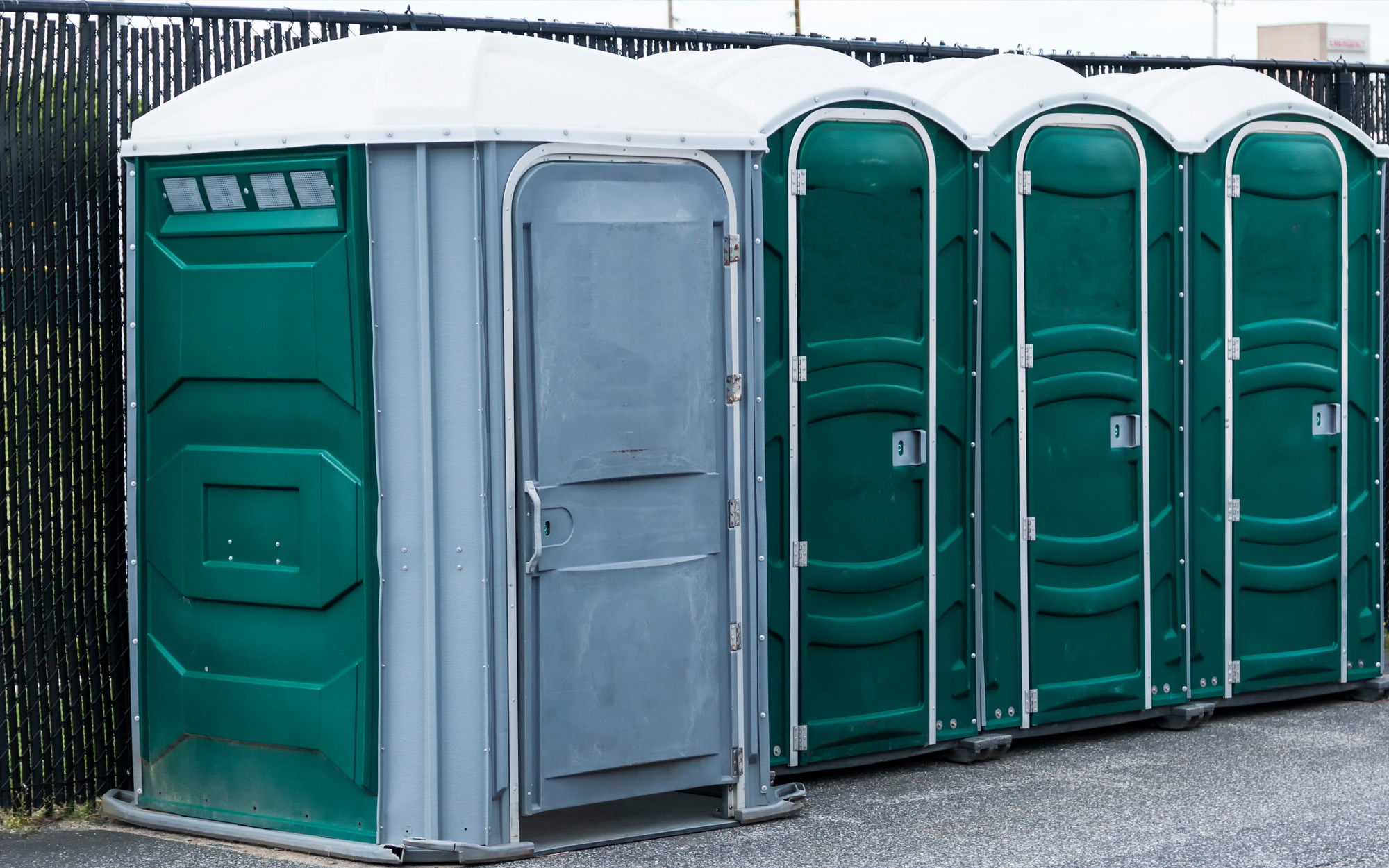
Portable toilets are one part of an effective sanitation strategy. Many contractors also include hygiene facilities that encourage workers to clean their hands throughout the day.
Common additions include:
- Hand wash stations
- Hand sanitizer dispensers
- Regular restocking of supplies
- Scheduled cleaning visits
Questions Worth Asking Before Renting
Before arranging temporary sanitation, project managers often review a few practical questions.
- How many workers will be on site during the busiest phase?
- Will the project require multiple restroom locations?
- How often should the units be serviced?
- Is there enough access for delivery and maintenance vehicles?
- Could the site layout change as construction progresses?
Answering these questions early can simplify planning throughout the project.
Final Thoughts
Temporary sanitation is easier to manage when it is included in the overall construction plan rather than treated as a last-minute requirement. Equipment, servicing schedules, and placement all contribute to how well the facilities support workers each day.
With portable toilets, hand wash stations, restroom trailers, and ongoing maintenance services, Supreme Site Services provides sanitation solutions that can adapt to projects ranging from small residential builds to large commercial developments.