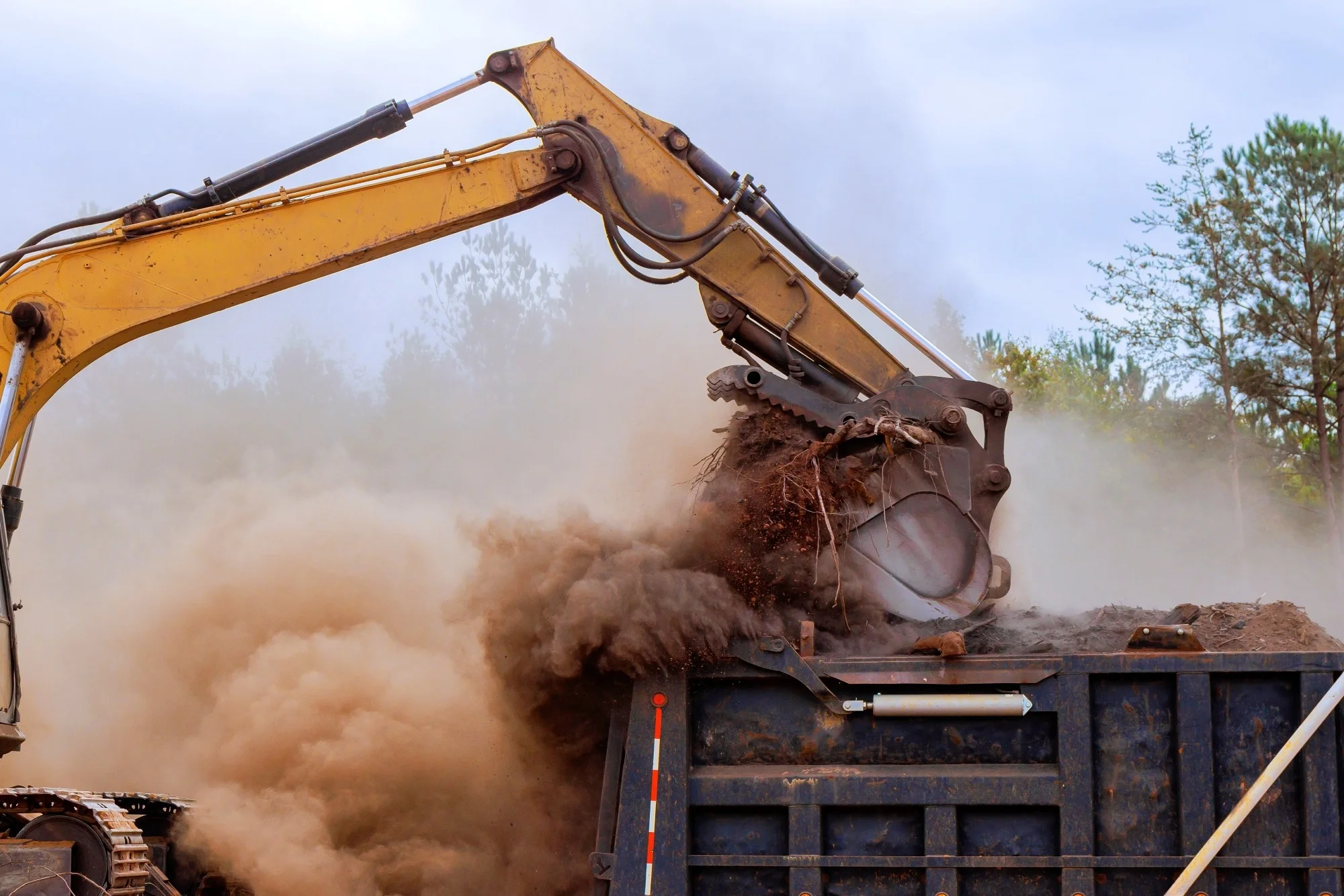
Controlling airborne particles improves safety and visibility onsite

Dust is one of those problems people notice only when it becomes impossible to ignore. Vision drops breathing feels uncomfortable and the entire work area feels harder to manage. What often gets missed is how quickly dust can escalate from a nuisance into a real safety issue. This is where dust control darwin solutions play a critical role in keeping worksites functional safe and compliant without slowing progress. When dust is managed properly everything else tends to run more smoothly.
Why dust builds up faster than expected
Dust forms whenever materials are disturbed. Cutting digging grinding and moving soil all release fine particles into the air. In dry conditions this happens even faster.
Common contributors include
- Earthmoving and excavation
- Demolition activities
- Vehicle movement on unsealed surfaces
- Material handling and stockpiles
- Wind exposure across open sites
Once airborne these particles spread quickly beyond the immediate work area.
Safety risks linked to uncontrolled dust
Dust does more than reduce comfort. It increases risk across multiple areas.
Uncontrolled dust can
- Obscure moving machinery
- Hide trip hazards
- Reduce traction on surfaces
- Interfere with signals and communication
- Increase accident likelihood
Effective control restores awareness and control across the site.
Methods that keep dust under control
Dust control works best when it is planned rather than reactive. Different situations require different approaches.
Common methods include
- Water spray systems
- Surface stabilisation treatments
- Controlled vehicle routes
- Timing activities to reduce exposure
- Containment around high dust zones
The right method depends on site size activity type and conditions.
Why consistent control matters more than occasional fixes
Dust does not stop forming once it is suppressed once. It returns as soon as activity continues.
Consistent control keeps conditions stable throughout the day. This reduces constant stop start adjustments and allows teams to focus on their work.
Consistency also supports compliance with safety and environmental expectations.
Protecting nearby areas and communities
Dust does not stay within site boundaries. Wind can carry particles into neighbouring areas affecting visibility property and comfort.
Effective dust control helps
- Reduce impact on nearby roads
- Protect surrounding properties
- Maintain good community relations
- Prevent complaints or shutdowns
- Demonstrate responsible site management
Good control extends benefits beyond the site itself.
Planning dust control into site operations
The most effective sites plan dust management early. Control methods are built into daily operations rather than added under pressure.
Planning includes
- Identifying high risk activities
- Assigning responsibility for control
- Monitoring conditions regularly
- Adjusting methods as work changes
- Reviewing effectiveness over time
This proactive approach prevents escalation.
People working onsite often say the biggest difference is how much easier the day feels when dust is controlled. Visibility improves breathing feels normal and focus returns. Choosing dust control darwin solutions that work consistently supports safer smoother operations without constant disruption.
Airborne dust affects safety health and efficiency more than many realise. Controlling it improves visibility protects workers and keeps projects moving smoothly. With proper planning and reliable methods worksites stay safer cleaner and easier to manage. Effective dust control supports productivity today while protecting people and surroundings for the long term.