Precision Removal Methods Protecting Surroundings While Addressing Unstable Tree Structures

Sudden structural weakness in tall growth creates a serious risk for nearby spaces. Careless handling often leads to damage beyond the original problem. Careful planning reduces harm to property, people, and utilities. Many property owners seek trusted help, such as tree services sunshine coast, during urgent situations. Proper technique protects nearby elements while resolving instability safely. These principles guide every stage of responsible removal work.
Initial assessment shaping safe action plans
Careful review identifies hidden risks before work begins. Visual checks reveal lean direction, root health, and overhead threats. Early evaluation supports controlled decisions. It also reduces unexpected movement during cutting stages.
Controlled cutting reduces surrounding impact risks
Targeted cutting limits force spread across nearby zones. Measured steps protect structures, soil access points.
- Sectioned removal controls weight release during downward movement
- Strategic cuts prevent sudden shifts toward nearby buildings
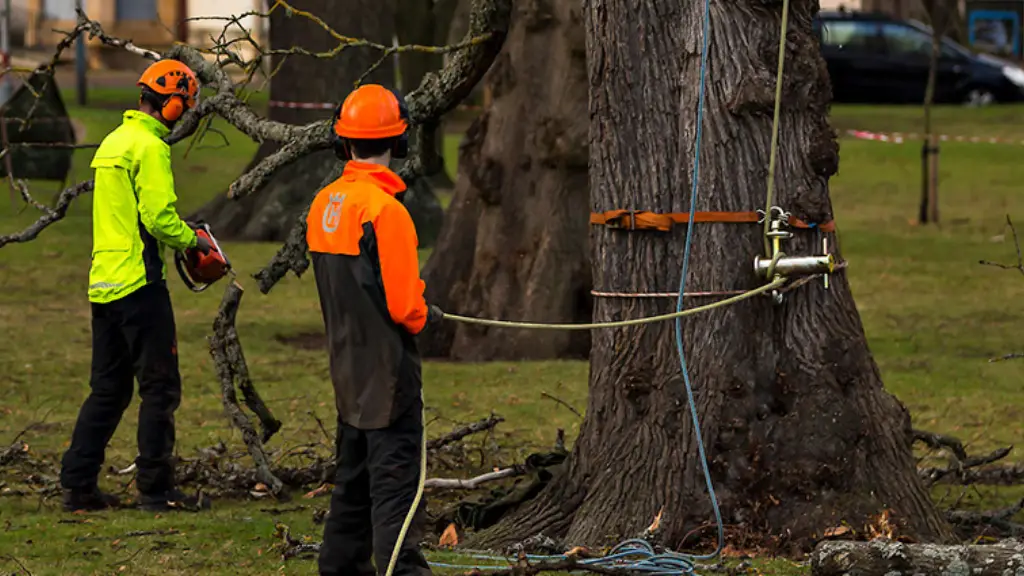
- Rope-guided lowering protects surfaces beneath unstable branches
- Gradual dismantling avoids a shock impact on the ground layers
- Balanced trimming maintains stability until final sections are removed
- Directional control safeguards fencing paths and utility lines
- Load calculation reduces strain on remaining support areas
- Sequenced removal maintains predictable movement patterns
Controlled actions maintain safety throughout the process.
Protective equipment supporting precise handling
Specialized tools allow accurate control during removal. They improve grip, balance, and reach. Protective gear shields workers from falling debris. Precision improves when tools match task demands.
Why are precise removal safeguards necessary for nearby assets effectively?
Accuracy determines whether damage occurs beyond the target area. Careless cuts transfer force unpredictably. Controlled techniques isolate movement to planned zones. This prevents shock waves through soil structures and fencing. Precision also limits debris scatter. Smaller controlled sections reduce impact energy. Careful sequencing keeps the surrounding areas undisturbed. Property protection remains a primary outcome.
Environmental awareness guides removal direction
Surrounding conditions affect decision-making. Wind slope soil moisture alters behaviour. Awareness supports safer cut angles. Natural forces remain under control.
Skilled coordination improves execution accuracy
Team coordination ensures timing alignment. Clear signals reduce confusion during critical moments. Mid-process checks confirm stability before proceeding. Many rely on tree services sunshine coast teams for coordinated control.
Site restoration following safe removal completion
Clean-up restores surface condition after work ends. Debris removal prevents secondary hazards. Ground levelling supports drainage. Area returns to a usable state quickly.
Factors influencing method selection decisions
Every situation requires a tailored approach. Size, height, and the condition of the surroundings guide choice. Understanding these factors avoids generic solutions. Custom methods reduce overall risk.
| Decision Factor | Influence on Method | Result |
| Tree lean angle | Determines cut direction | Reduced fall risk |
| Nearby structures | Limits drop zones | Asset protection |
| Soil condition | Affects equipment placement | Stable operation |
| Canopy density | Guides section size | Controlled descent |
Confidence built through careful removal
Safety relies on thoughtful preparation and measured action. Precision reduces harm beyond the target. Skilled coordination preserves nearby environments. Proper restoration completes the cycle responsibly.